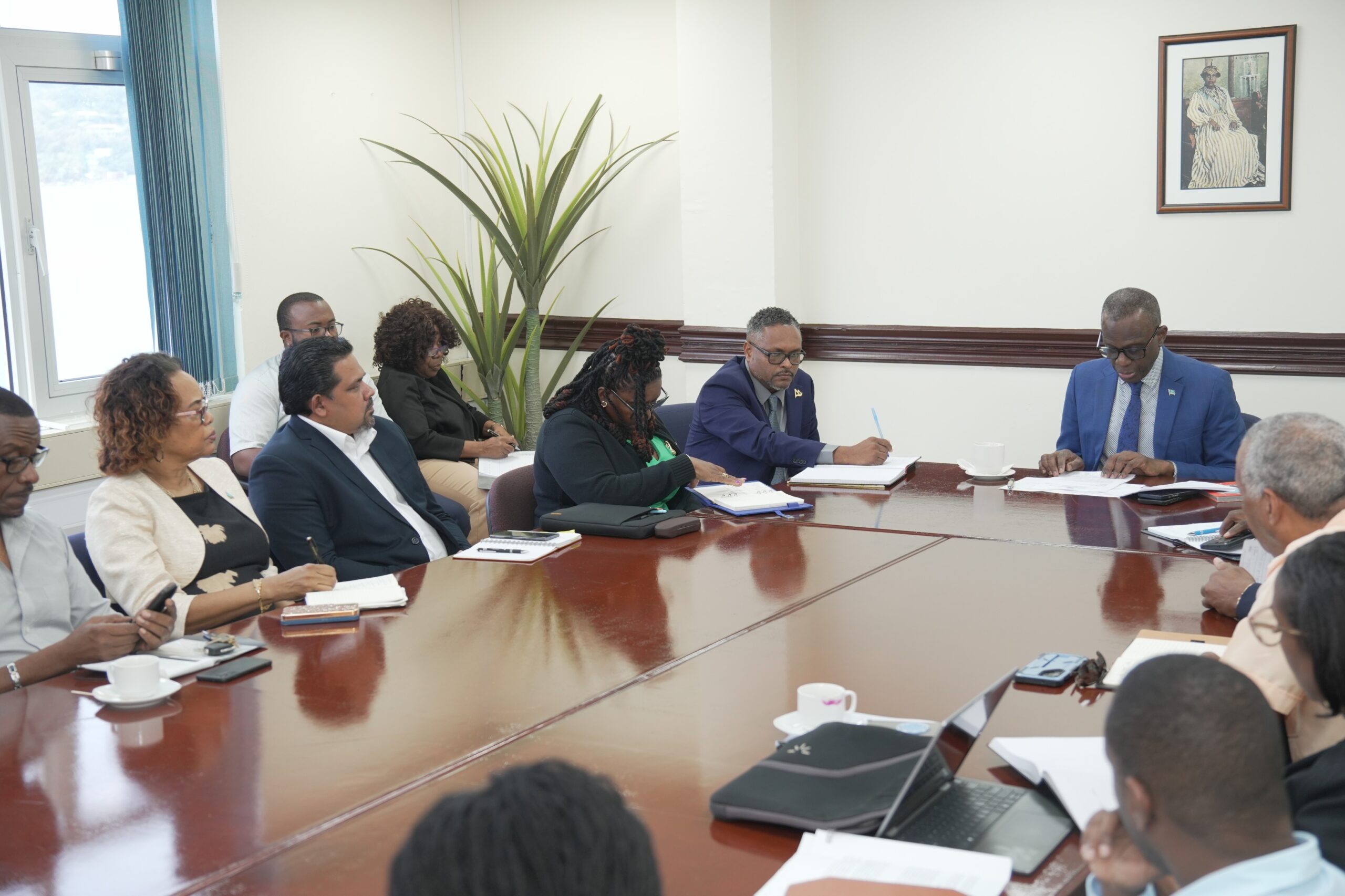
(Castries, Saint Lucia –Thursday, March 5th 2026)- The tourism private sector has welcomed the Prime Minister’s direct engagement and leadership during a high-level meeting held on March 4, 2026, to address the urgent water supply challenges intensified during the current dry season. While the situation is placing real strain on tourism operations and the domestic needs of team members, stakeholders left Wednesday’s meeting encouraged by a clear, solutions-focused path forward and a shared commitment to action.
The meeting, convened at the invitation of the Prime Minister, brought together senior Government leadership and key water-sector decision-makers, including Honourable Keithson Hermine Charles Minister for Physical Development and Public Utilities, Honourable Wayne D. Girard Minister for Economic Development and Youth Economy, and Honourable John Paul Estephane, Minister in the Ministry of Tourism, Commerce, Investment, Creative Industries, Culture and Heritage. Also in attendance were the Chairman of the Water and Sewerage Company Inc. (WASCO) Mr. Trevor Louisy, the CEO of WASCO Mrs. Zilta George-Leslie, and Permanent Secretaries from the Ministries of Tourism and Public Utilities.
Representing the tourism private sector were stakeholders from hotels and tourism service providers, who used the opportunity to place immediate concerns and practical ideas on the table—aimed at limiting disruption to business operations, protecting the visitor experience, and reducing hardship for employees and their families.
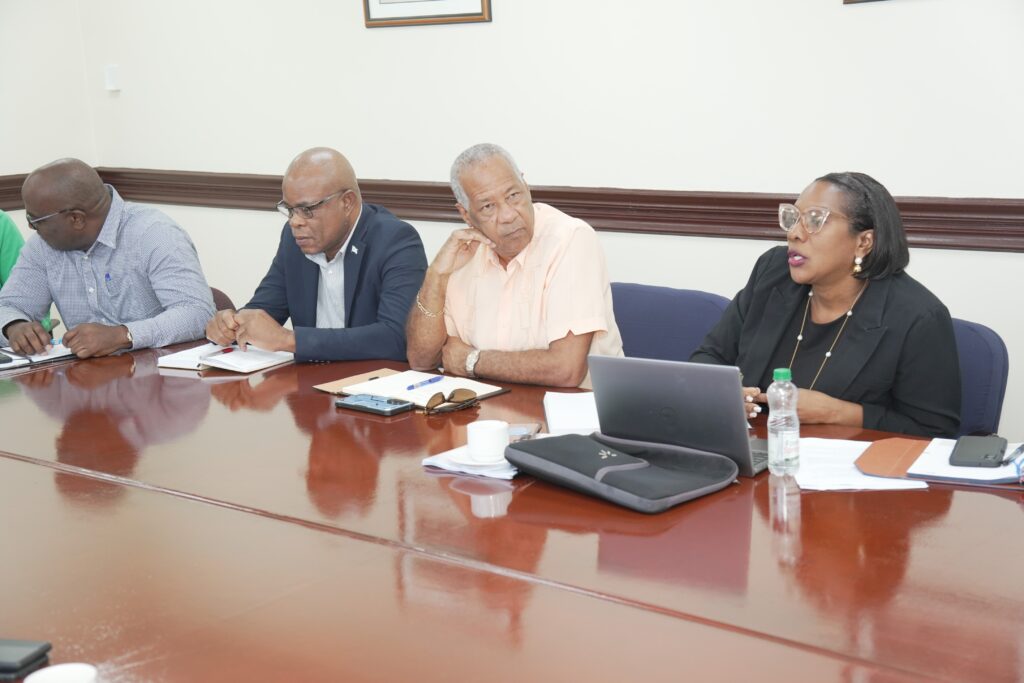
Chaired by the Prime Minister, the discussions were described by participants as candid, purposeful, and action-oriented. The Prime Minister presented a scorecard outlining financial support provided to WASCO over recent years, while acknowledging that the current reality of ageing and faulty infrastructure is longstanding and now requires accelerated solutions at scale.
Importantly, the Prime Minister emphasized the need for practical actions that can be implemented immediately to complement medium- and long-term investments for national water security.
The tourism private sector expressed appreciation for the Prime Minister’s approach and commitment to action, noting that the dialogue created clarity around what can be done quickly, what will require structured investment, and how collaboration between public agencies and the private sector can accelerate outcomes. Participants also indicated that the tourism private sector will present an action plan with proposed solutions within the coming days, reflecting the discussions and the priority interventions agreed.
The meeting concluded with a commitment to establish a working group that will meet on Friday, March 6, 2026 to craft implementation schedules and define financial and resource requirements for priority projects, including:
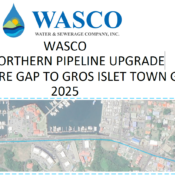
- Works on the Northern Pipeline
- Barging of water as an emergency support measure
- A framework of incentives to stimulate increased commercial and domestic water harvesting
- A structured engagement strategy with water truckers to build strategic relationships that improve reliability, standards, and coordination
Tourism stakeholders reiterated that, notwithstanding the infrastructural challenges currently faced by WASCO, the country’s response must also reflect a changing climate reality—where dry seasons are expected to become more frequent and more disruptive if adaptation measures are not accelerated.
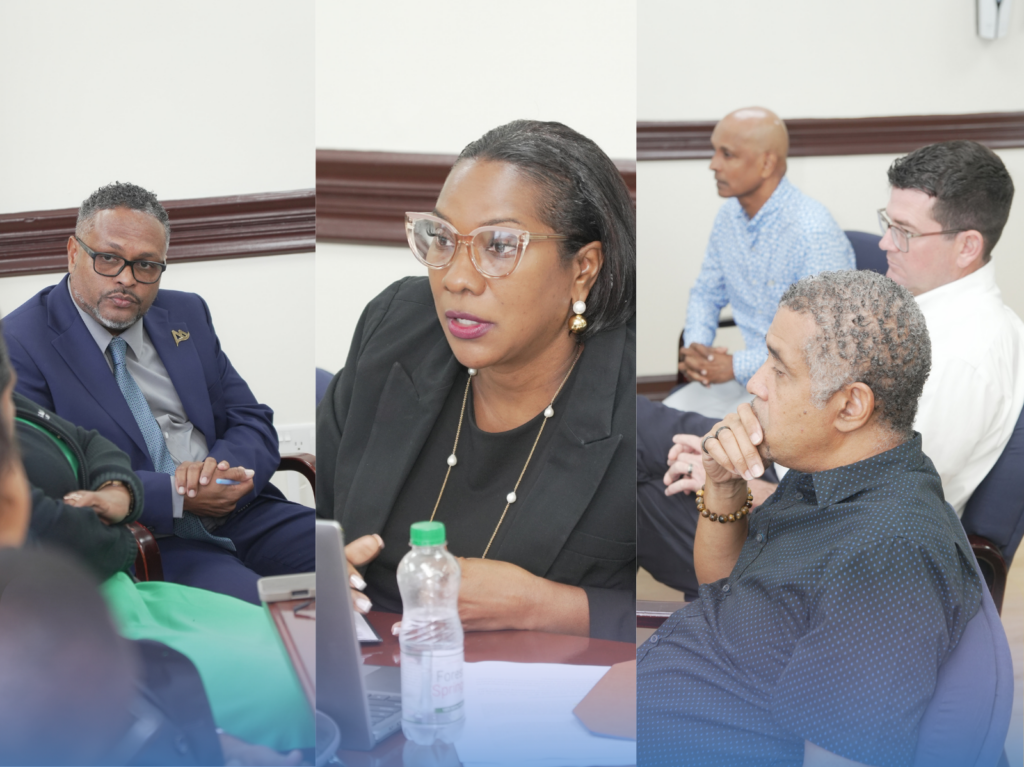
Noorani M. Azeez, CEO of the Saint Lucia Hospitality and Tourism Association, noted that the discussions represented an important step toward solutions that are both immediate and resilient: “We acknowledge the seriousness of the water supply disruptions and the strain this is placing on tourism businesses and on the household needs of our team members. But we are encouraged by the Prime Minister’s insistence on practical measures that are aimed at stabilizing the situation. With climate change intensifying dry-season risks, sustainable adaptation measures—like water harvesting, efficiency upgrades, and stronger resilience planning—are now critical to our sustainability as a small island developing state so heavily dependent on tourism.”
The private sector expressed confidence that the working group mechanism will enable accelerated implementation, transparent scheduling, and clear accountability for delivery—balancing emergency stabilization with the larger goal of long-term water security. Further updates are expected following Friday’s working group meeting, including agreed timelines, financing needs, and priority actions for immediate execution.